




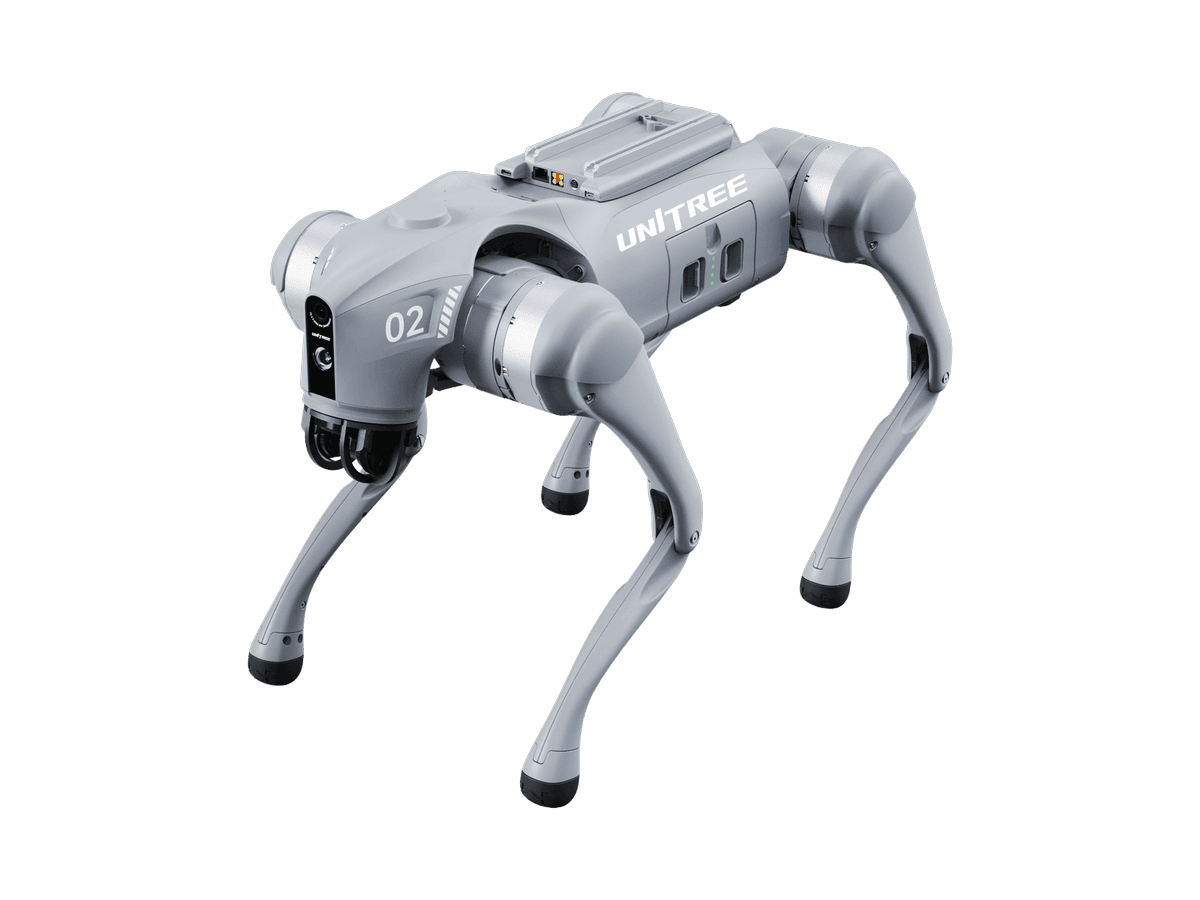
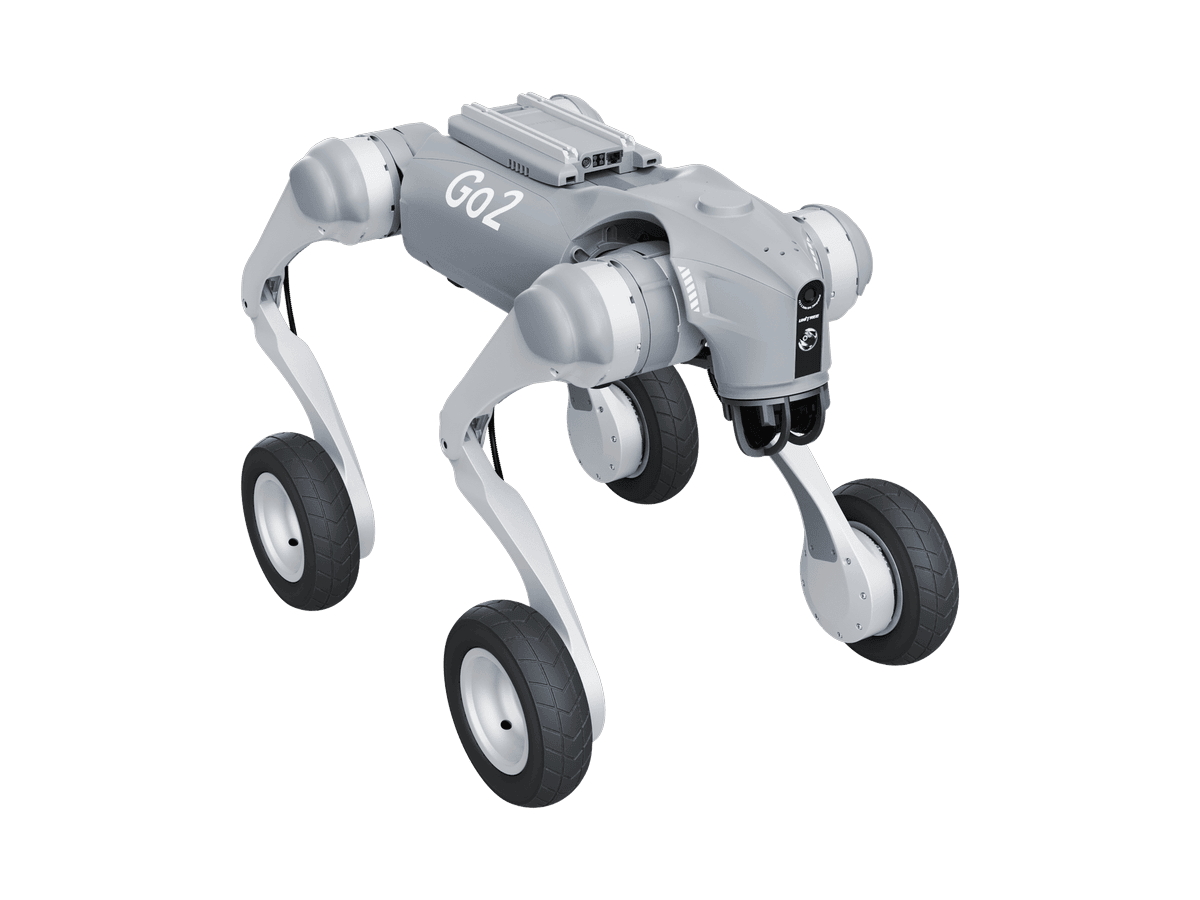

GO2
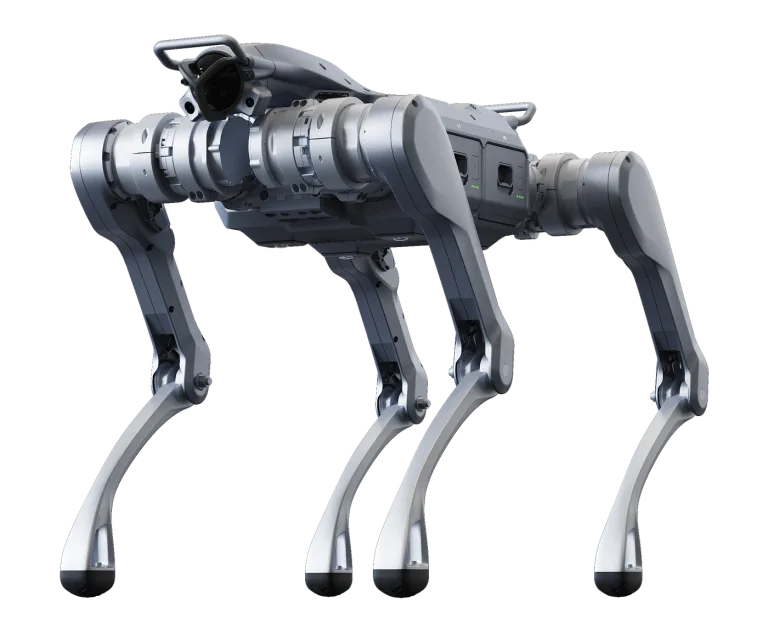
A compact quadruped robot that lets you start research, education, prototyping and validation at an affordable price. Its easy-to-handle body, weighing around 15kg, is equipped with omnidirectional 4D LiDAR L2 and AI-driven gait control.
Staffing / Rental
Contact us
Buy
Quoted on request
CASE STUDIES
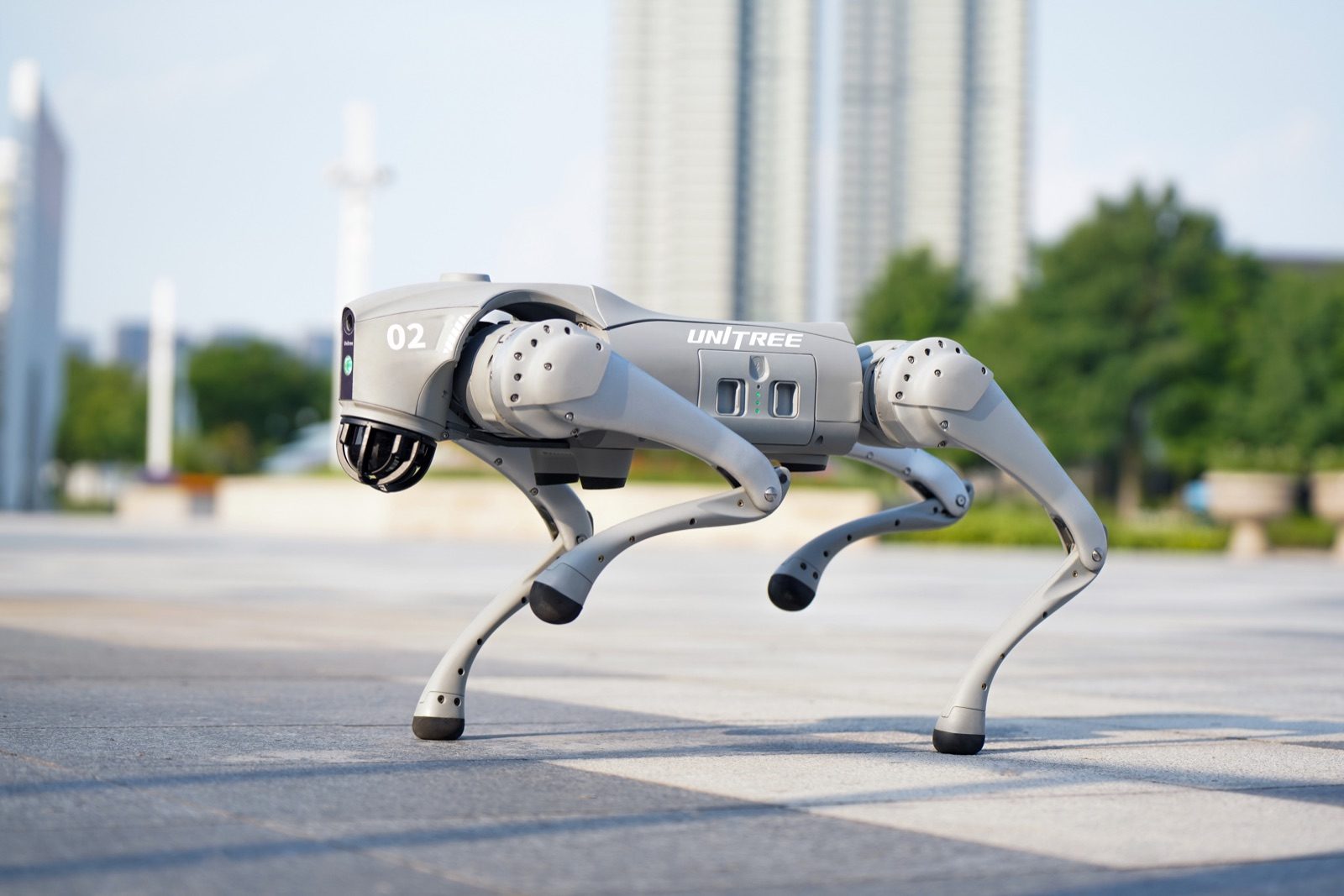
Combined with high-quality remote monitoring and autonomous route designation in the dedicated app, it handles nighttime patrols and facility inspections across a site.
STRENGTHS
The strengths of the Unitree GO2
Here is why the GO2 is chosen by research and educational institutions, and on prototyping and validation sites.
An accessible price and 14 configurations
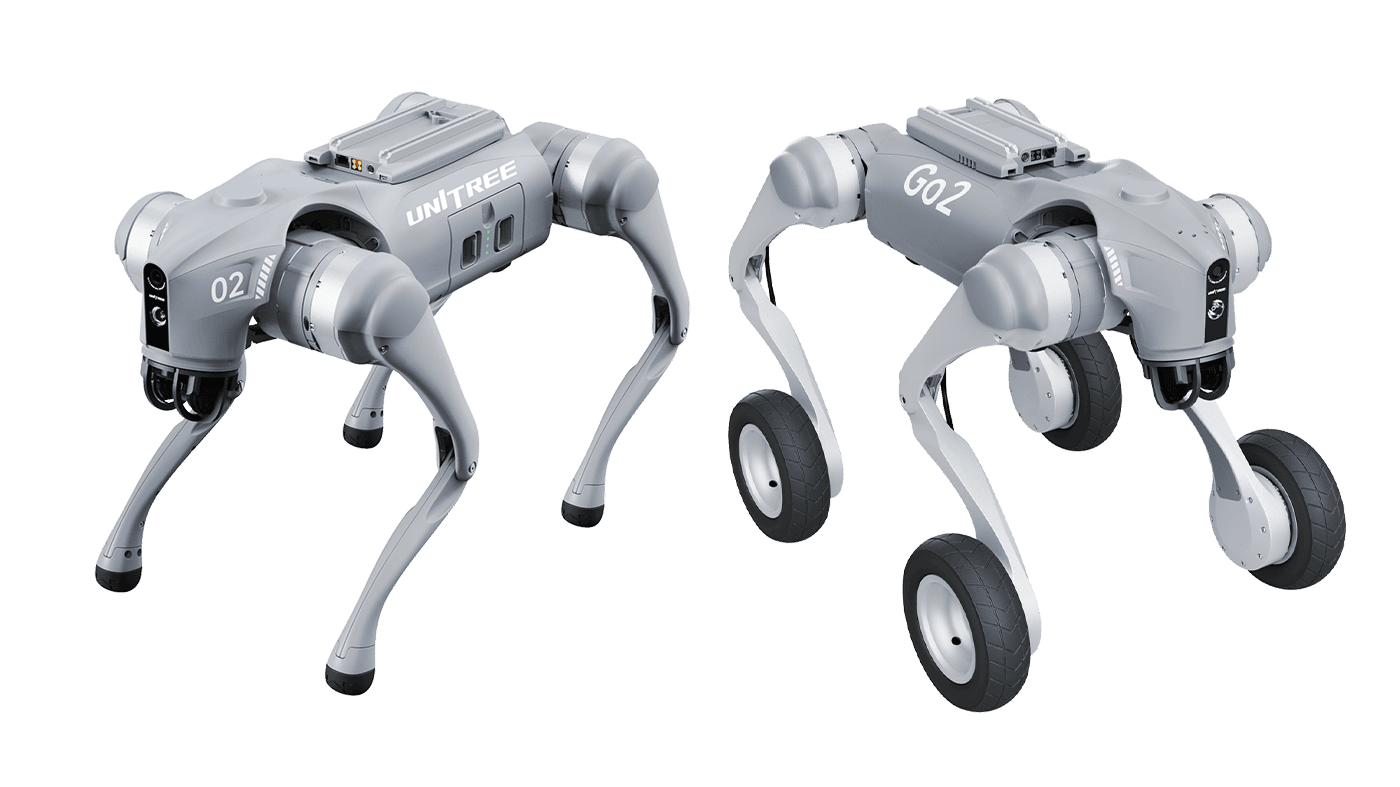
The GO2 is one of the relatively affordable models among Unitree's quadruped robots. With a total of 14 configurations available—the legged GO2 X / GO2 EDU U1–U7 (8 configurations) and the wheeled-leg GO2W U1–U6 (6 configurations)—you can choose exactly the performance you need for any purpose, whether education, research, performance, deep feature development or logistics support.
As an easy-to-adopt, high-performance quadruped robot, it is a model well worth considering on education, research, prototyping and validation sites.
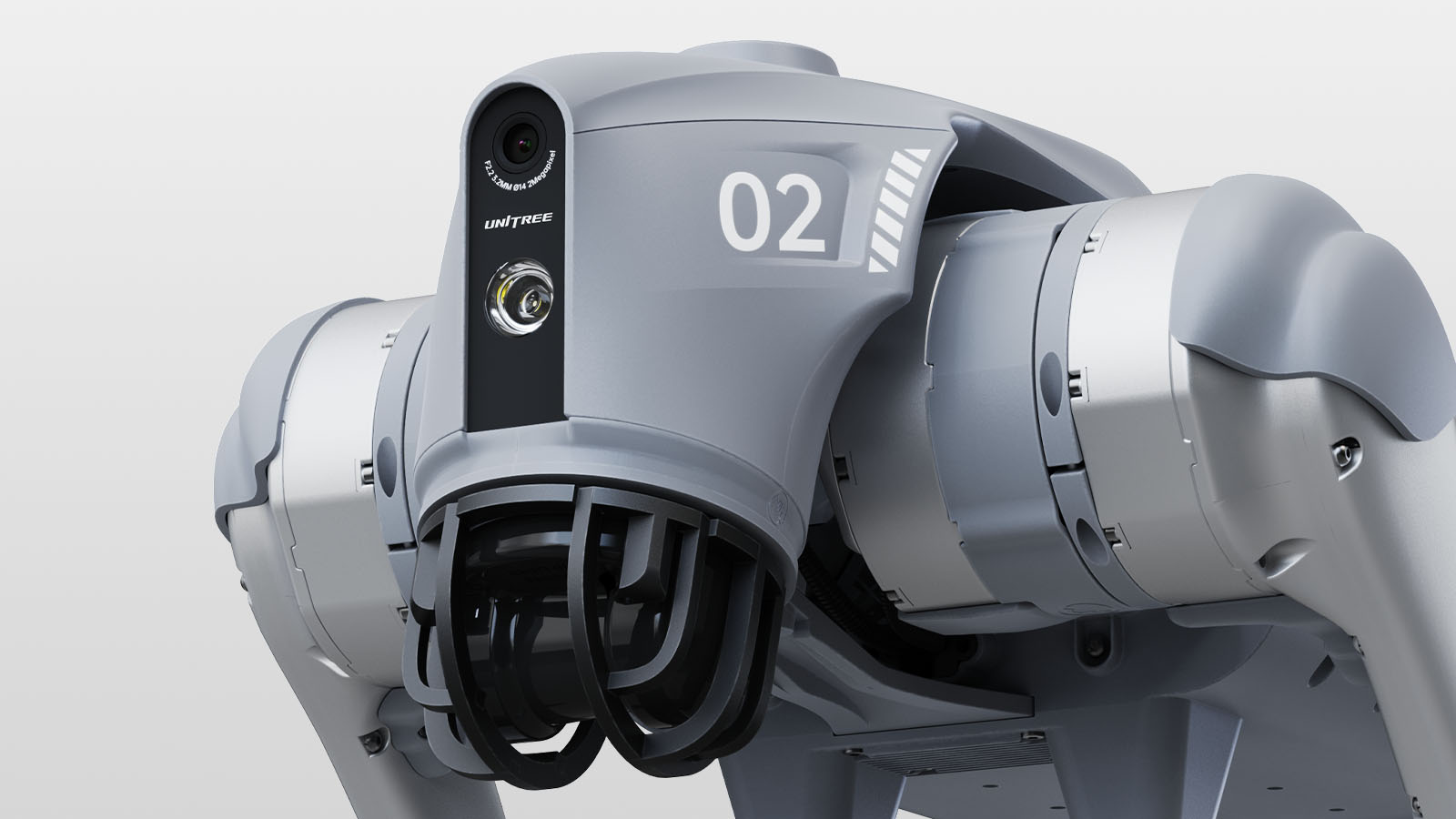
Omnidirectional awareness with 4D LiDAR L2
The GO2 is fitted with omnidirectional 4D LiDAR L2, developed in-house by Unitree. It combines a wide hemispherical field of view of 360°×96° with a minimum detection distance of 0.05m, a design that boosts surroundings-sensing performance by roughly 200%. This sensor, which captures all directions including close range and dark places, comes standard on every configuration.
For research and industrial sites, you can add the Livox MID-360 or Hesai XT16 as additional LiDAR. This is useful on sites where you want to greatly extend localization and mapping accuracy, as well as the fineness of readings and detection range.
The head sensor comes standard with the Intel RealSense D435i on every configuration, so research themes that require capturing color and distance at the same time can be handled in the initial configuration. The dedicated app lets you display and record the acquired three-dimensional spatial data (point cloud) on the spot, enabling 3D map-building both indoors and outdoors.
A walking engine honed through simulation
The GO2's gait control runs on a walking engine honed through repeated learning in simulation. It comes with advanced AI motion modes, so movements that were difficult with conventional leg control—handstand walking, automatic self-righting and obstacle climbing—are available as standard motions. Its top speed on flat ground reaches about 13 km/h (about 3.7 m/s), and with Rage Mode you can expect high-speed running of up to about 5 m/s.
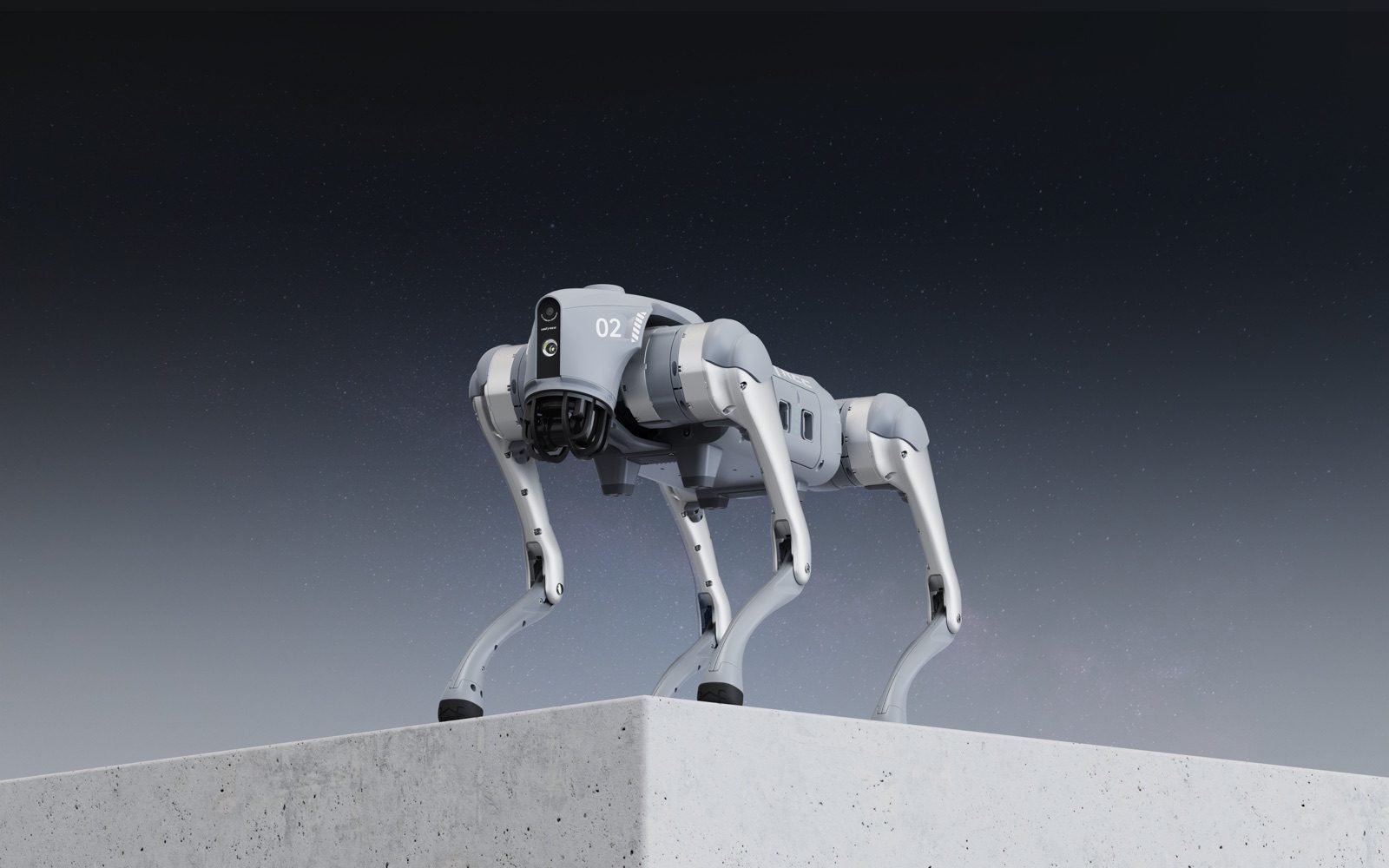
Rage Mode (GO2 EDU configuration)
The GO2 EDU configuration offers Rage Mode, which draws out the full performance of the joint motors. It delivers a top speed of about 5 m/s, a max. step height of 16cm and a 40° climbing angle, moving nimbly even over complex terrain. Max. knee-joint torque is about 45 N·m, with 12 sets of joint motors fitted. Rage Mode is useful when you want to broaden the range of movement for research, prototyping, validation or performance applications.
Top speed
Approx. 5 m/s
Max. step height
16cm
Climbing angle
40°
Max. knee-joint torque
Approx. 45 N·m
Joint motors
12 sets
The ISS 2.0 follow function that tracks a person
The legged GO2 features the ISS 2.0 follow function, which automatically tracks a person or leader from a distance. Positioning accuracy has improved by roughly 50% over the previous generation, allowing it to follow even at distances of more than 30m. It is used for following a leader, patrolling a site, and accompanying camera crews.
The wheeled-leg GO2W is a model that prioritizes efficient travel on flat ground using its wheels, with specifications suited to logistics support, flat-ground travel and educational use. For applications that track a person or leader, the legged GO2 equipped with ISS 2.0 is the better fit.
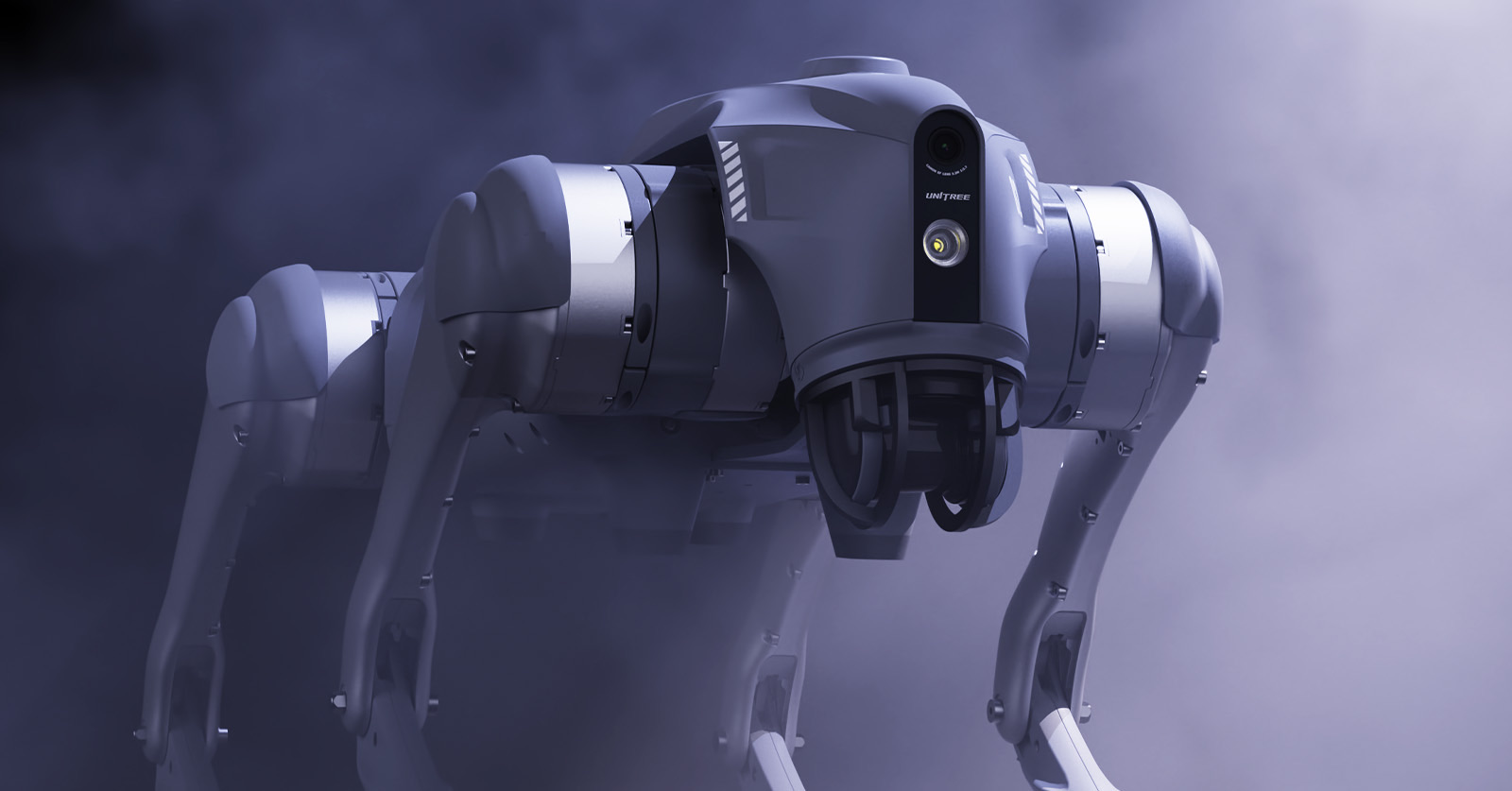
A compute module that runs AI on the robot itself
The GO2 EDU configuration comes standard with a compute module that has the processing power to run AI. It is useful when you want to run your own AI or trained motion programs directly on the robot. The number (TOPS) directly represents the scale of processing power for running AI. Because AI decision-making can be handled on the robot side, you can consider a configuration that does not rely too heavily on the cloud, even outdoors, underground or in tunnels where communication is unstable.
GO2 EDU configuration
Comes standard with NVIDIA Jetson Orin delivering 40 TOPS or 100 TOPS, depending on the configuration
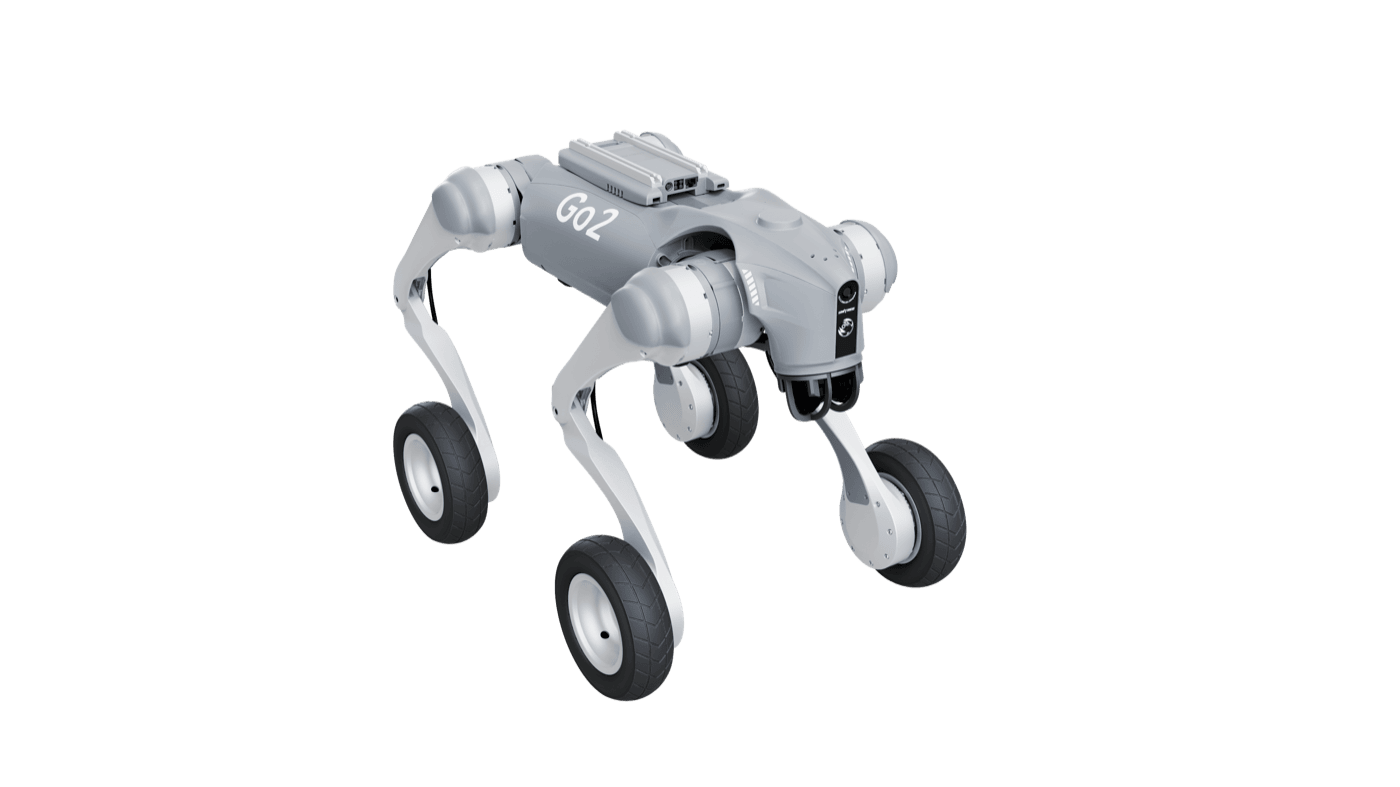
GO2W: a wheeled-leg model for all terrain, long distances and logistics support
The GO2W (GO2W U1–U6) is a dedicated wheeled-leg model in a separate line from the GO2. Designed to run across a variety of terrain, it has motors built into its wheels and 7-inch pneumatic tires, combining travel efficiency on flat ground with the ability to climb over steps. With the power to climb steps of about 70cm and a structure that secures a wide field of view from a raised stance, it offers the kind of travel performance unique to a wheeled-leg design.
Choose the GO2W for logistics support, warehouse operations and educational use on flat ground, and the GO2 when you need dancing, advanced movements or following.
Standing dimensions
GO2: 70×31×40cm / GO2W: 70×43×50cm
Weight
GO2: approx. 15kg / GO2W: approx. 18kg
Degrees of freedom
GO2: 12 / GO2W: 16
Max. single step height
GO2: approx. 16cm / GO2W: 70cm (=0.7m)
Payload
GO2: approx. 8kg (max. 12kg) / GO2W: approx. 3kg
Top speed
GO2: 0–3.7 m/s (max. approx. 5) / GO2W: 0–2.5 m/s
Climbing angle
GO2: 40° / GO2W: 35°
ISS 2.0 follow function
GO2: Yes / GO2W: No
SPECS
Detailed specifications
The GO2 is split into a total of 14 configurations: the legged GO2 X / GO2 EDU U1–U7 (8 configurations) and the wheeled-leg GO2W U1–U6 (6 configurations). The legged versions suit education, research, prototyping and validation, deep feature development and performance use, while the wheeled-leg versions suit logistics support, warehouse operations and travel efficiency on flat ground. The full specifications vary by configuration, and the latest version will be provided at the time of order.
| Item | GO2 X | GO2 EDU U1–U7 | GO2W U1–U6 |
|---|---|---|---|
| Standing dimensions | 70×31×40cm | 70×31×40cm | 70×43×50cm |
| Crouching dimensions | 76×31×20cm | 76×31×20cm | — |
| Weight (incl. battery) | Approx. 15kg | Approx. 15kg | Approx. 18kg |
| Degrees of freedom (joint motors) | 12 | 12 | 16 |
| Material | Aluminum alloy + high-strength engineering plastic | Same as left | Same as left |
| Payload | Approx. 8kg (max. 12kg) | Approx. 8kg (max. 12kg) | Approx. 3kg |
| Speed | 0–3.7 m/s (max. approx. 5) | 0–3.7 m/s (max. approx. 5) | 0–2.5 m/s |
| Top speed on flat ground | Max. approx. 13 km/h | Max. approx. 13 km/h | — |
| Max. continuous stair step height | Approx. 16cm | Approx. 16cm | — |
| Max. single step height | Approx. 16cm | Approx. 16cm | 70cm (=0.7m) |
| Climbing angle | 40° | 40° | 35° |
| Base compute | 8-core high-performance CPU | 8-core high-performance CPU | 8-core high-performance CPU |
| High-performance compute module | None | Comes standard with NVIDIA Jetson Orin at 40 TOPS / 100 TOPS depending on configuration | Depends on configuration |
| Max. knee-joint torque | Approx. 45 N·m | Approx. 45 N·m | — |
| 4D LiDAR L2 | Standard | Standard | Standard |
| Additional LiDAR option | Livox MID-360 / Hesai XT16 | Livox MID-360 / Hesai XT16 | Same as left |
| Head sensor | Intel RealSense D435i + 3D LiDAR (standard on all configurations) | Same as left | Same as left |
| Battery | 15,000mAh / fast charging 33.6V / 9A | Same as left | Same as left |
| Battery life | Approx. 1 hour | Approx. 1 hour | Approx. 2 hours |
| Communication | WiFi 6 / Bluetooth 5.2 / 4G / eSIM | Same as left | Same as left |
| Basic motions (interaction, dance) | Yes | Yes | No |
| ISS 2.0 | Yes | Yes | No |
| Intelligent detection | Yes | Yes | No |
| D1 servo arm | Option | Option | Option |
| OTA | Supported | Supported | Supported |
| Secondary development | Supported | Full support (SDK / ROS 2) | Supported |
| Reference price | Contact us | Contact us | Contact us |
Specifications vary by configuration and operating scenario. Please contact us for final specifications and pricing in Japan.
CASE STUDIES
Case studies
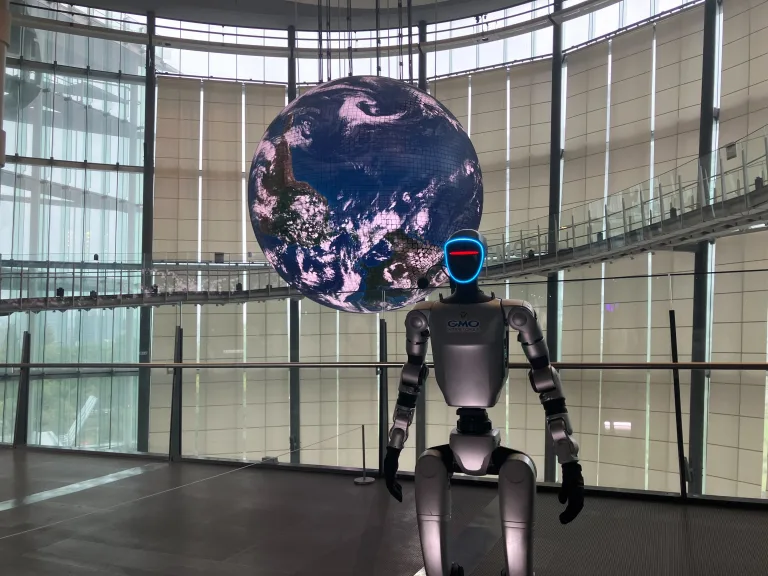
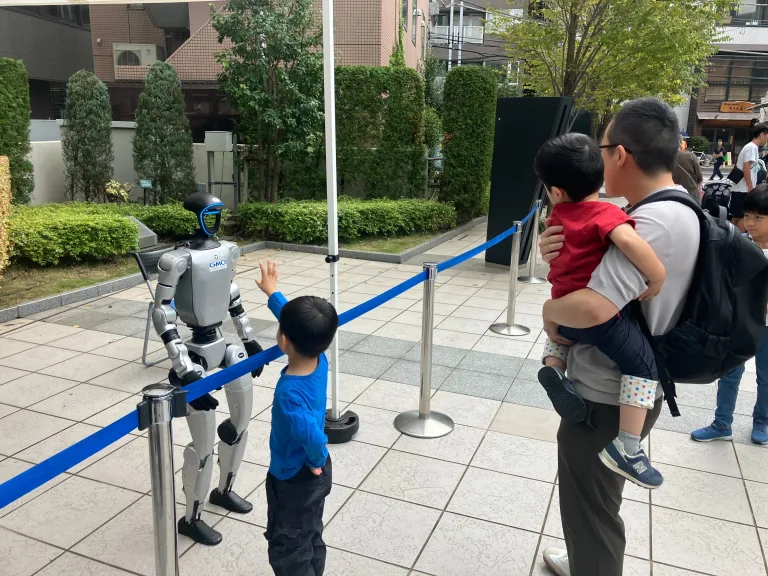
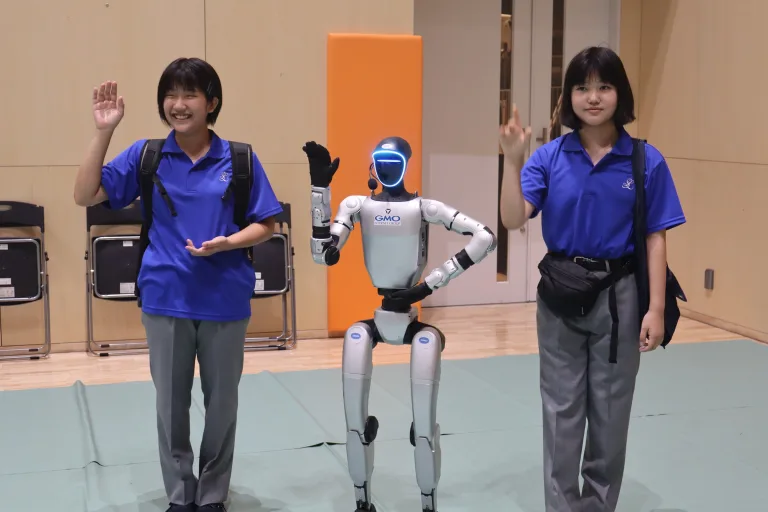

Q & A
FAQ
How much does it cost?
There are 14 configurations across GO2 X, GO2 EDU U1–U7 and GO2W U1–U6, and the sales price in Japan varies by configuration, exchange rate and incidental costs. We will provide an individual quote through the contact form.
What is the difference between the GO2 and the GO2W?
The GO2 is a legged model (12 degrees of freedom) and the GO2W is a separate wheeled-leg model (16 degrees of freedom). With a max. single step height of 70cm, a 3kg payload, a top speed of 0–2.5 m/s and a 35° climbing angle, the GO2W is suited to logistics support and warehouse operations on flat ground, taking advantage of its wheels. If you need dancing, advanced movements or person-following, the legged GO2 is the better fit.
Does it support ROS?
Yes. Samples are included in the development tools, and it supports control from ROS / ROS 2. The EDU configuration enables full-scale development in Python and the creation of original movements. It is widely adopted as a foundation for education and research.
Can it be equipped with Jetson Orin?
In the EDU configuration, NVIDIA Jetson Orin is fitted as standard as the compute module that runs AI. Depending on the configuration, it delivers 40 TOPS or 100 TOPS (the larger the number, the higher the processing power for running AI). Choose this when you want to run your own AI or trained motion programs directly on the robot.
Can additional LiDAR be installed?
Yes. You can choose the Livox MID-360 or Hesai XT16 as additional LiDAR. This is useful on sites where you want to greatly improve localization and mapping accuracy, as well as the fineness of readings and detection range.
Can the D1 servo arm be mounted?
Yes. The D1 servo arm can be added as an option on either the GO2 or the GO2W. It supports research themes involving grasping and manipulating objects.
Can it be used outdoors?
It supports outdoor operation. If you plan to operate it in environments with rain, dust or mud, please consult us in advance about appropriate protection conditions.
What can the 4D LiDAR L2 do?
With a wide hemispherical field of view of 360°×96° and a minimum detection distance of 0.05m, it can be used for research into 3D mapping of spaces, autonomous navigation, obstacle avoidance, and localization and mapping. The dedicated app can display the acquired point cloud on the spot.
What is the ISS 2.0 follow function?
It is version 2.0 of the function that automatically follows a person or leader from a distance. Positioning accuracy has improved by 50% over the previous model, allowing it to follow even at distances of more than 30m. For person-following use, the legged GO2 equipped with ISS 2.0 is the better fit.
How long does it run on battery?
As a guide, the GO2 runs for about 1 hour and the GO2W for about 2 hours. Fast charging is supported at 33.6V / 9A. Battery life is shorter when using Rage Mode or during high-load movements.
Can additional equipment be mounted on top?
Yes. It supports mounting additional cameras such as depth cameras, the D1 servo arm and additional LiDAR. Please consult us about the overall weight and center-of-gravity position when you contact us.
Is the I/O docking station required?
It is optional. For expanded operations that connect many peripherals and sensors, the I/O docking station with its abundant ports is convenient.
What about maintenance and repairs?
Within the warranty period, support is free of charge; outside the period, repairs are handled on a paid basis.
How is it different from other quadruped robots?
The GO2 stands out for its accessible price range, standard 4D LiDAR L2 across all configurations, the flexibility of choosing from 14 configurations, and a walking engine honed through simulation. With many adoption cases in education, research, prototyping and validation, it is an easy model to consider as your first quadruped robot for research.
PRODUCTS
Products
We offer the latest models suited to a wide range of use cases —
from R&D and proof-of-concept trials to entertainment.
-
 Unitree A2 / A2-W
長く走れて重い荷物を運べる、四足歩行ロボット
-
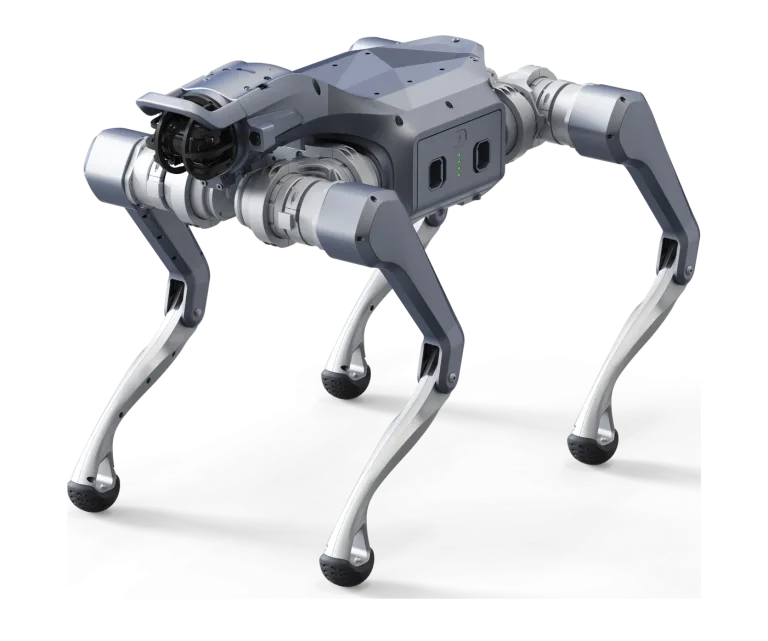 Unitree As2 / As2-W
扱いやすい、小型の四足歩行ロボット
-
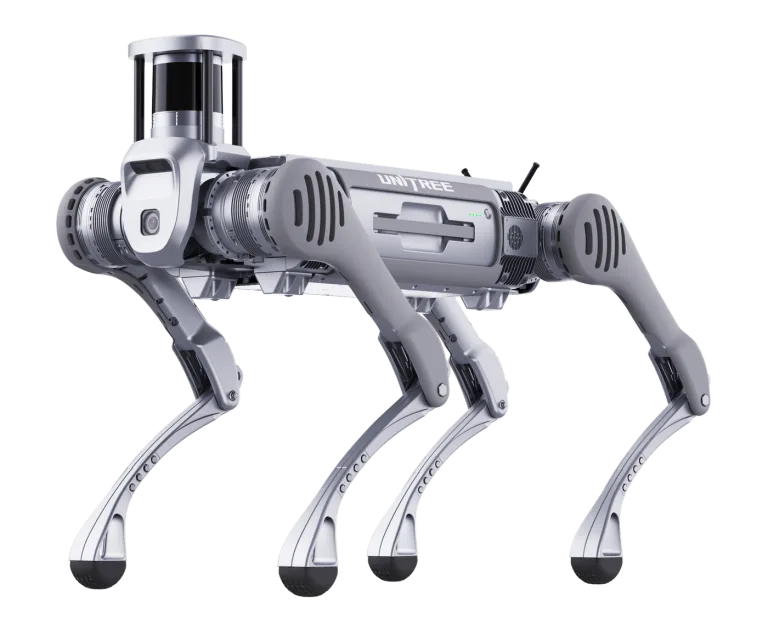 Unitree B2 / B2-W
重い荷物を運べる、大型の四足歩行ロボット
-
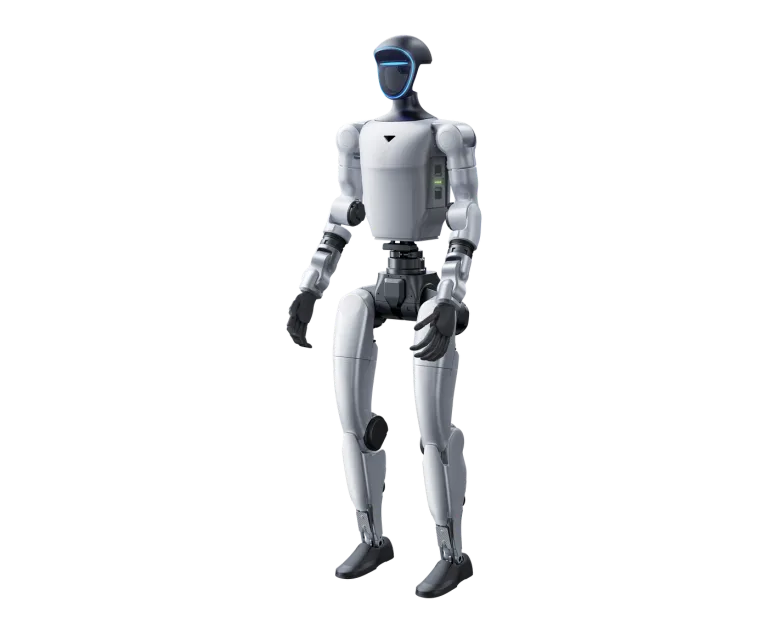 Unitree G1
様々な用途に使える、汎用の人型ロボット
-
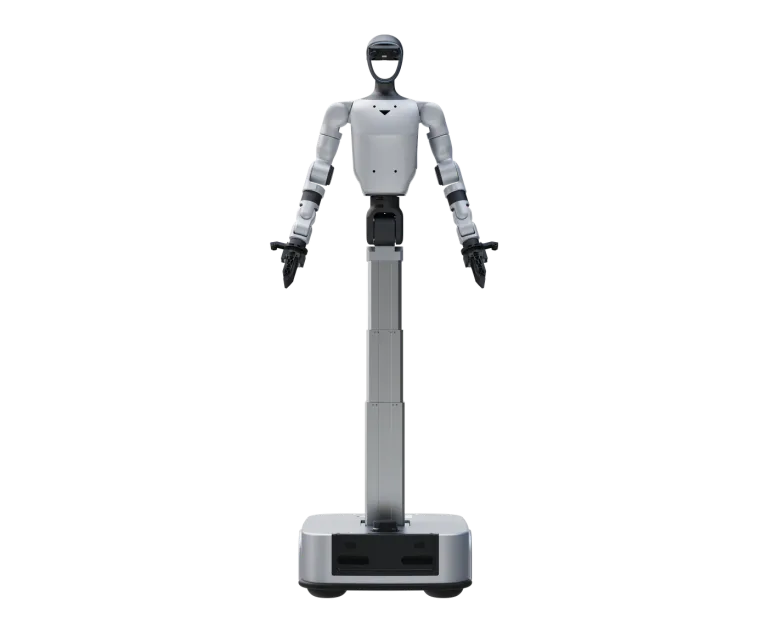 Unitree G1-D
G1の脚の代わりに台座を使って、平らな場所で安定して動かせるようにした人型ロボット
-
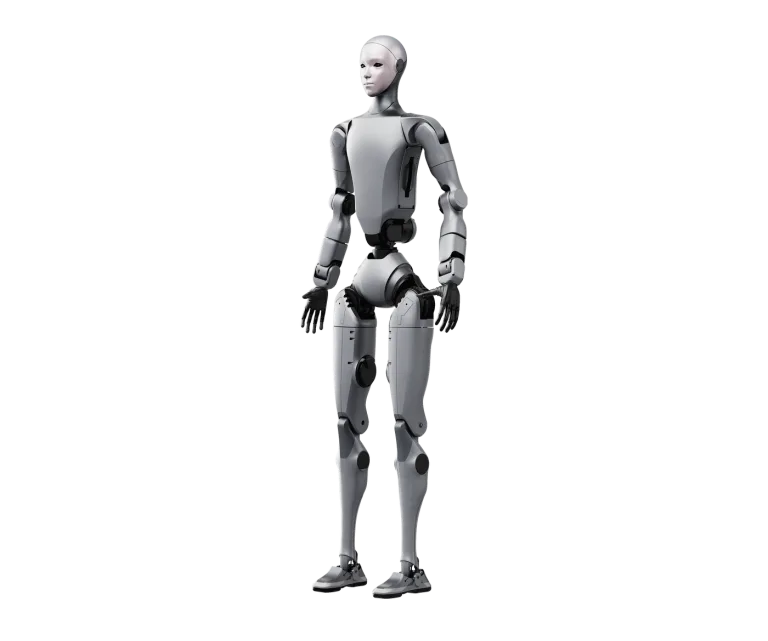 Unitree H2
人と同じ大きさで、重い物を扱える大型の人型ロボット
-
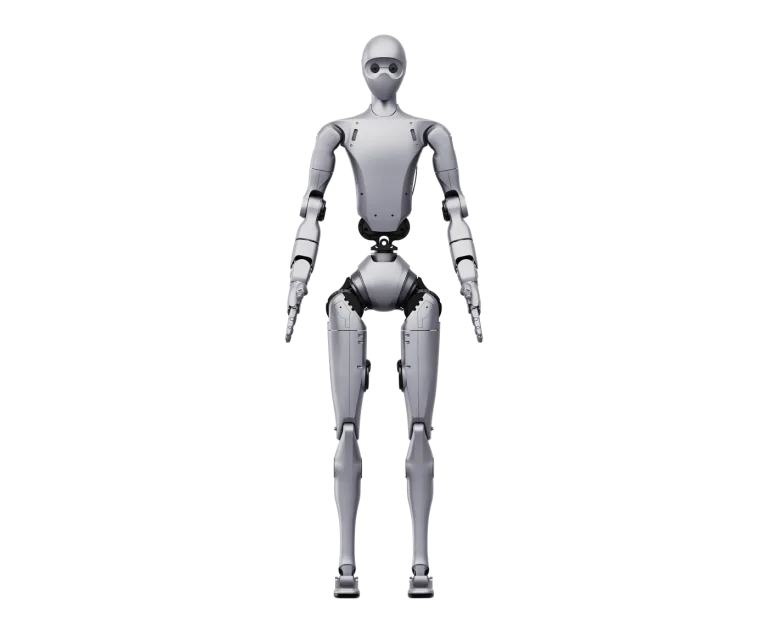 Unitree H2 Plus
H2にNVIDIA Jetson Thorを積み、顔と頭部のカメラを専用にした大型の人型ロボット
-
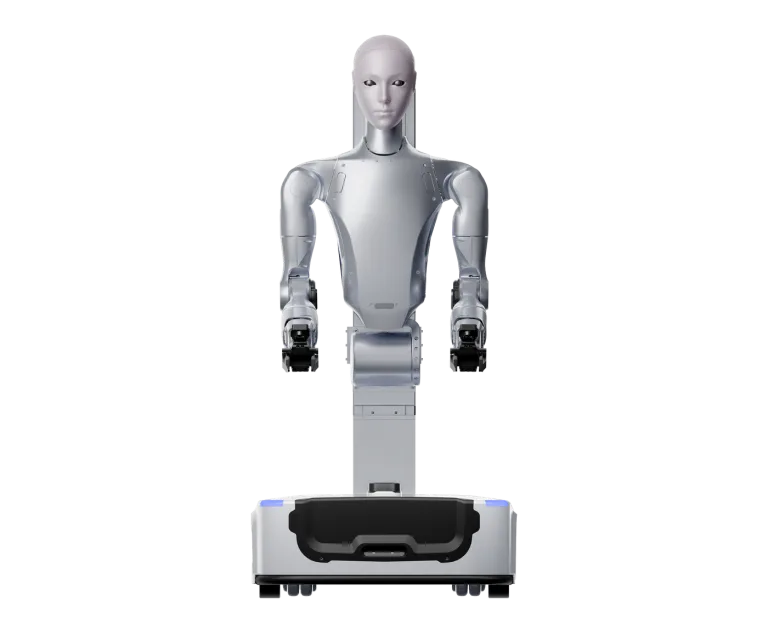 Unitree H2-A / H2-D
H2の脚を外して双腕にし、上半身を据えるか台座に載せて使うロボット
-
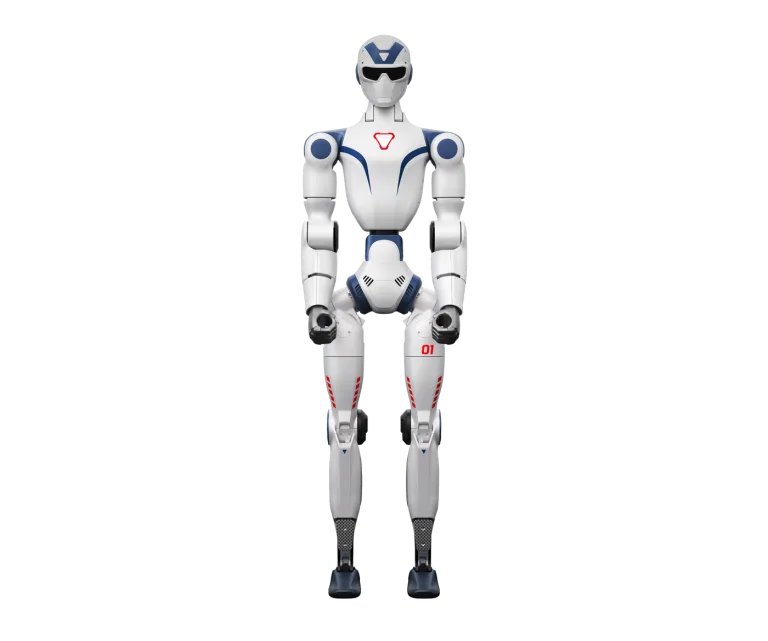 Unitree R1
軽くて扱いやすい小型の人型ロボット
-
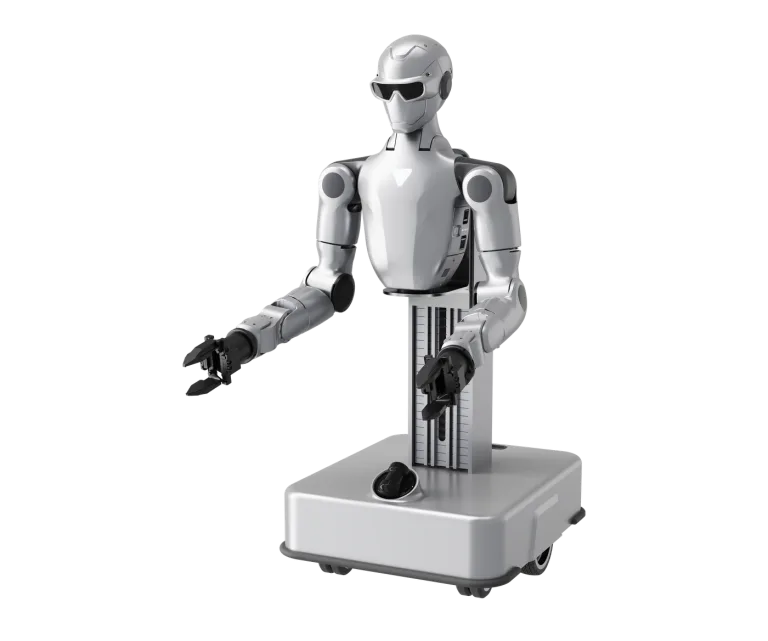 Unitree R1-A / R1-A-D
R1の脚の代わりに台座を使って、平らな場所で安定して動かせるようにした双腕のロボット
-
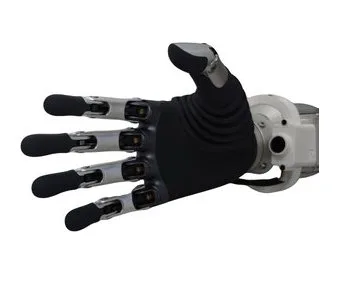 BrainCo Revo 2 5指ハンド(触覚)
4種類の触覚を持つ5指ハンド
-
 BrainCo Revo 3 U21T 5指ハンド(触覚)
21自由度で触覚を持つ5指ハンド
-
BrainCo Revo 3 U21VT 5指ハンド(視触覚)
指先に視触覚を持つ5指ハンド
-
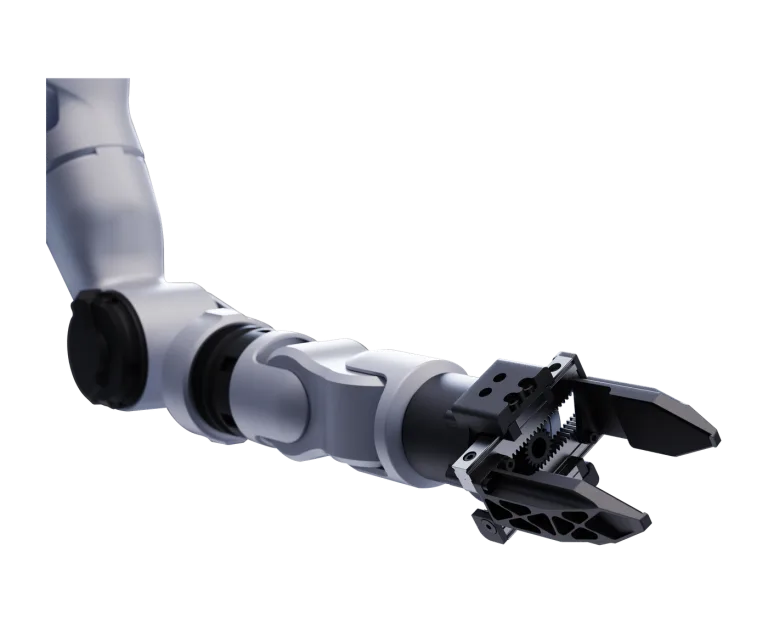 Dex1-1 グリッパー上位版
手首カメラ付きの平行2爪グリッパー
-
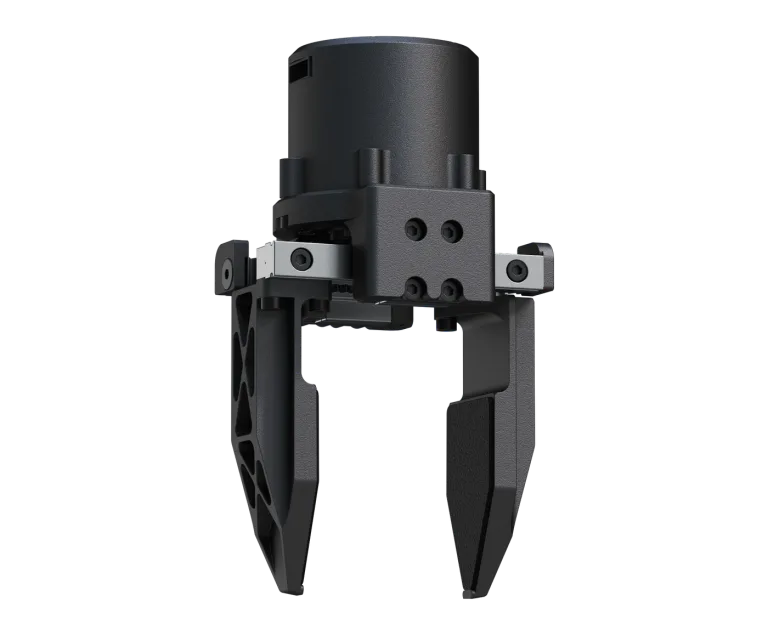 Dex1-1 グリッパー標準版
G1・R1系に付く平行2爪のグリッパー
-
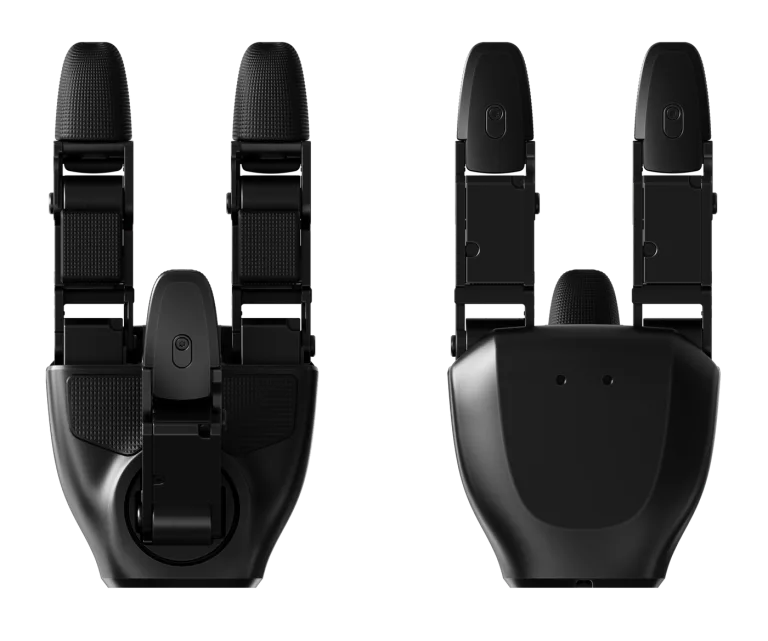 Dex3-1 力制御3指ハンド(触覚)
触覚を持つ3指のハンド
-
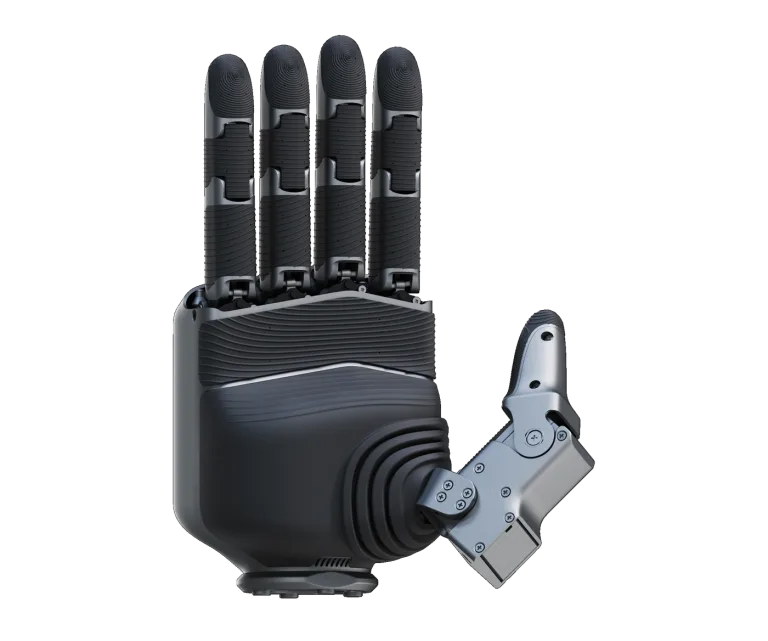 Dex5-1 5指ハンド
H2-A・H2-D用の16自由度5指ハンド
-
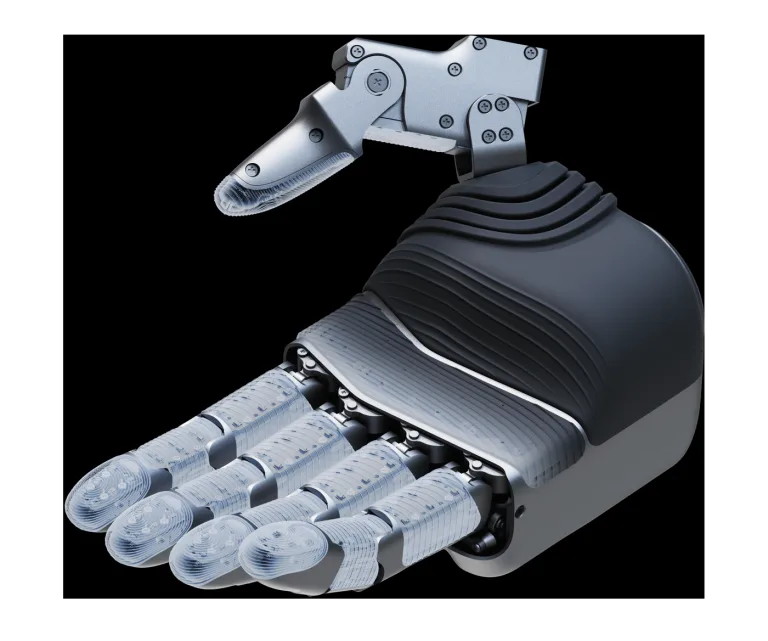 Dex5-1P 5指ハンド(触覚)
触覚を持つ16自由度の5指ハンド
-
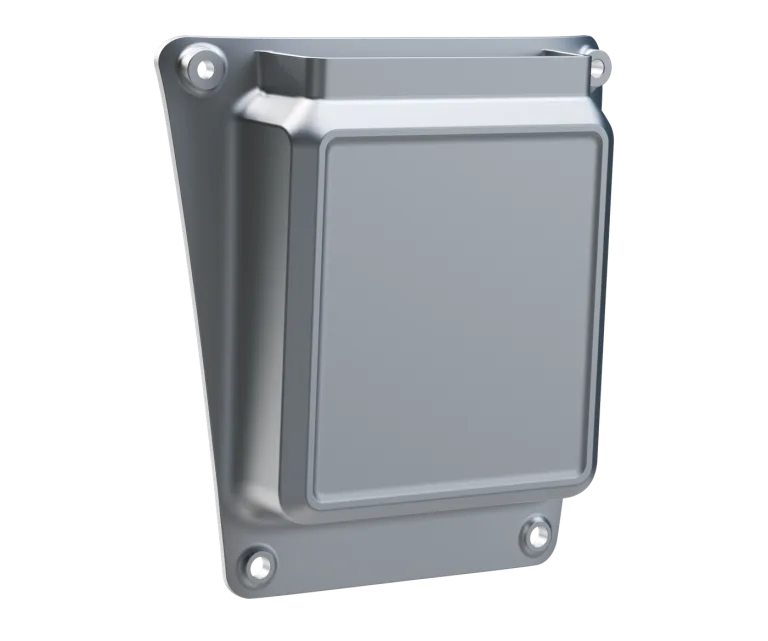 G1-E NX モジュール
G1-E用の100TOPSモジュール
-
 Linker Hand O6 5指ハンド(触覚)
リンク駆動で触覚を持つ5指ハンド
-
 SharpaWave Hand 2 5指ハンド
指先に視触覚を持つ22自由度のハンド
-
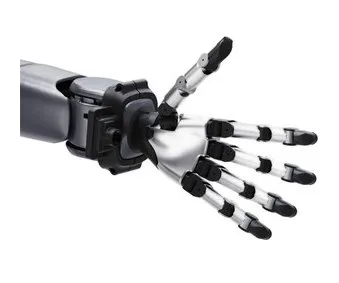 WUJI Hand 2 5指ハンド
人の手に近い20自由度の5指ハンド

